![[personal profile]](https://www.dreamwidth.org/img/silk/identity/user.png)


Разрыв
В посте Сонина о нобелевской премии Richard Thaler'a меня больше всего поразило, что заслуги экономиста в развитии науки невозможно объяснить российской аудитории.
Субъективно, для меня работы Thaler'a были гвоздями, которыми забили крышку гроба либертарианства. Он и его ученики показали, что теория свободного рационального выбора, мягко говоря, не соответствует экономической реальности ( хотя, это было уже после Саймона, Канемана, Тверски и Шиллера ). Если добавить институционалистов Норта и Асемоглу, то придерживаться либертарианства можно было только путем сознательной экономической безграмотности.
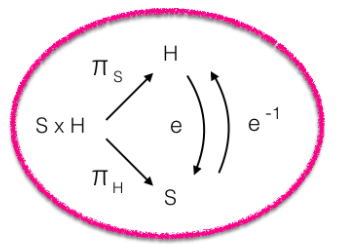
С другой стороны, подход Thaler'a хорошо отражается моей любимой категорией, потому что он раскладывает систему принятия человека на две составляющие, напр. short- and long-term goals.
Субъективно, для меня работы Thaler'a были гвоздями, которыми забили крышку гроба либертарианства. Он и его ученики показали, что теория свободного рационального выбора, мягко говоря, не соответствует экономической реальности ( хотя, это было уже после Саймона, Канемана, Тверски и Шиллера ). Если добавить институционалистов Норта и Асемоглу, то придерживаться либертарианства можно было только путем сознательной экономической безграмотности.
С другой стороны, подход Thaler'a хорошо отражается моей любимой категорией, потому что он раскладывает систему принятия человека на две составляющие, напр. short- and long-term goals.
Odysseus and the Sirens
In the twelfth song of the Odyssey, Circe warns Odysseus about the Sirens, who lure sailors with their enchanting singing. Odysseus who, like his crew, wanted to return home to Ithaca, solves the problem by plugging the crew’s ears with beeswax and then tying himself to the mast, with strict orders to the crew to ignore whatever he says until they are out of harm’s way. Odysseus’ problem is the epitome of this dilemma at all levels of our life, when we are tested by short-term temptations that threaten long-term wellbeing. This could be food and drink, smoking, consumption, saving for distant goals, or post-retirement planning. A person who chooses a longer education has a lower income during their studies, but can in return look forward to bene ts in the future.
https://www.nobelprize.org/nobel_prizes/economic-sciences/laureates/2017/popular-economicsciences2017.pdf